Unlock Timeless Elegance with Vintage Lily Flower Digital Paper
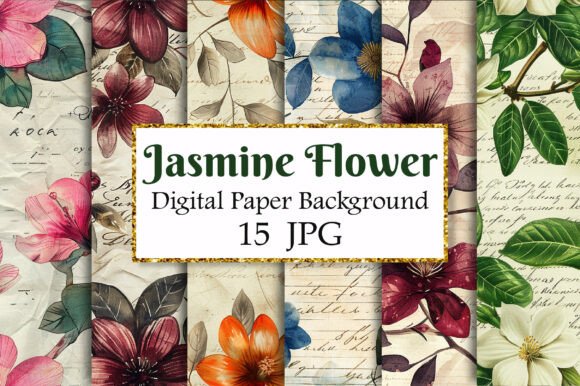
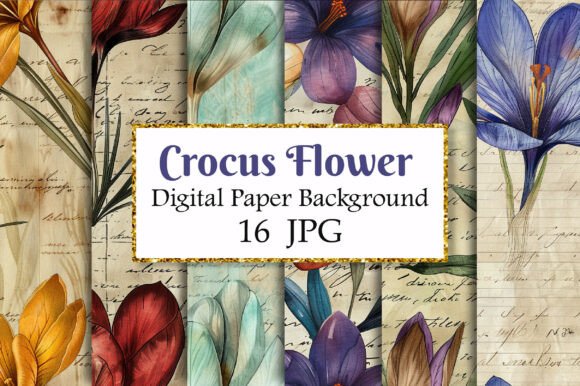
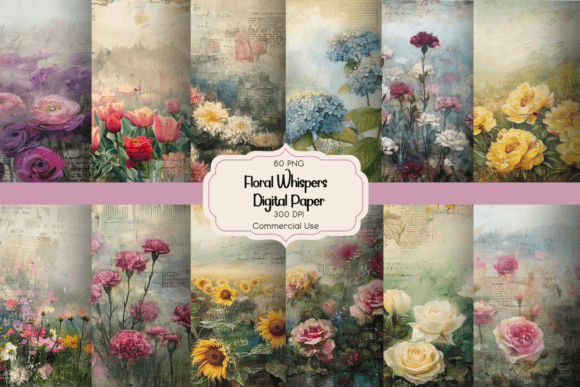
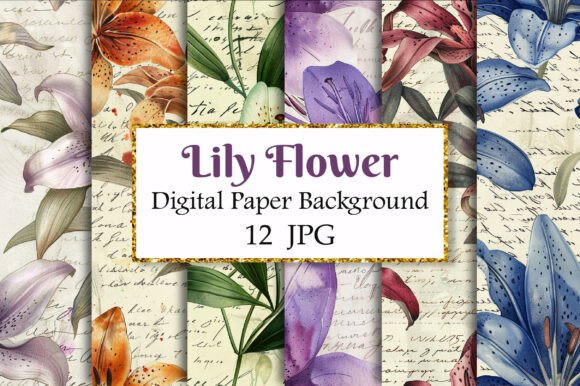
In the constant rush for modern, minimalist design assets, there is a distinct power in looking back. Vintage Lily Flower Digital Paper captures a specific nostalgia that resonates deeply with audiences today. It isn’t just a background texture; it is a design statement. This collection features delicate floral motifs that evoke a sense of history and organic beauty. The aesthetic leans heavily into a "heritage" style, utilizing soft, muted color palettes and intricate botanical illustrations that mimic the look of aged wallpapers or antique book endpapers.
The visual personality of this set is sophisticated yet approachable. Unlike the harsh geometry of modern sans-serif trends, these papers offer a tactile warmth. The lily illustrations are rendered with attention to natural curves and soft shading, creating a visual hierarchy that supports text and focal points without overwhelming them. When you use Vintage Lily Flower Digital Paper, you are injecting a layer of "brand personality" that feels established and trustworthy. It signals to the viewer that attention has been paid to the details, which is a core component of effective visual branding strategy.
Practical Applications: From Branding to Physical Goods
The versatility of this digital paper set extends far beyond simple scrapbooking, although it excels there as well. For small business owners and entrepreneurs, these textures offer a cost-effective way to build a cohesive brand identity. Imagine a boutique florist or a tea shop using these patterns for their packaging design. Wrapping tissue paper, box liners, or shopping bag inserts featuring this vintage aesthetic immediately elevates the unboxing experience, turning a simple transaction into a memorable event.
For digital creators and marketers, the applications are equally robust. The 12-inch by 12-inch dimensions at 300 DPI make these files ideal for high-resolution social media graphics and web design elements. You can use them as background layers for Instagram stories, Pinterest pins, or website hero sections to create depth. Because the files are in JPEG format, they integrate seamlessly into virtually any graphic design software, from Adobe Photoshop to Canva. This accessibility ensures that whether you are a seasoned designer or a hobbyist, the workflow remains uninterrupted.
Maximizing Impact with Typography and Hierarchy
A beautiful background is only effective if it supports your message. When working with a patterned background like Vintage Lily Flower Digital Paper, your typography choices become critical. This is where the interplay between background and typeface determines readability. Because the floral pattern is organic and detailed, it pairs best with clean, legible fonts. A bold sans-serif font often works best for headlines, providing a modern contrast to the vintage background. This contrast creates a strong visual hierarchy, guiding the viewer's eye immediately to the most important information.
Conversely, if you are aiming for a fully traditional aesthetic, such as for wedding invitations or formal editorial design, you might pair the paper with a high-quality serif font or a script font. However, caution is required here. If the handwritten font or script is too intricate, it can get lost in the details of the lilies. To ensure readability, I recommend adding a semi-transparent shape behind your text or utilizing a drop shadow technique. This separates the typography from the background texture, maintaining a professional look while preserving the artistic integrity of the design assets.
Technical Specifications for Seamless Workflow
One of the biggest frustrations in digital crafting is receiving files that are too small or difficult to manipulate. This set of Vintage Lily Flower Digital Paper is built for professional use. The 300 DPI resolution is the industry standard for print quality, ensuring that your designs remain crisp and free of pixelation, whether you are printing small planner stickers or large-scale banners. The 12x12 inch size is the standard dimension for digital scrapbooking but, as noted, it is easily resizable.
For those concerned about licensing and usage, it is important to treat these files as premium font or asset resources. While the immediate download allows for instant project starts, always review the specific terms regarding commercial use if you plan to sell the end products, such as printed invitations or merchandise. The ease of resizing means you can adapt these backgrounds for logo design elements, blog design headers, or even birth announcements without losing quality.
Strategic Use in Marketing and Publishing
From a marketing perspective, consistency is key to recognition. By utilizing the 12 unique papers included in this set, you can create a variety of content that still feels connected. For instance, a blogger could use one pattern for their weekly newsletter header and a different pattern from the same set for their lead magnet PDFs. This creates a subliminal connection for the audience, reinforcing the brand's aesthetic every time they interact with the content.
In publishing, these textures work wonderfully for book covers in the romance, historical fiction, or poetry genres. They provide an instant "vibe" that tells the reader what kind of story to expect before they read a single word. Similarly, for wedding stationers, this set offers a quick way to mock up different themes for clients—ranging from "rustic garden" to "vintage chic"—without needing to commission custom illustration work.
Final Thoughts on Creative Execution
Ultimately, the value of Vintage Lily Flower Digital Paper lies in its ability to add emotional weight to your projects. In a digital landscape often dominated by flat colors and generic gradients, a textured, floral background stands out. It suggests craftsmanship. It suggests a story. Whether you are designing a Facebook ad for a new product launch or creating a scrapbook page to preserve a family memory, these assets provide a solid foundation.
When you download this set, take the time to experiment. Try layering the textures with different blend modes like "Multiply" or "Overlay" in your editing software to see how the colors interact with your brand palette. Use them for planner stickers, invitations, or packaging. The goal is to use these tools to bridge the gap between your message and your audience, creating a visual experience that feels both timeless and intentional.